Website-Designing
Creating a High-Converting Law Firm Website Design in the UK
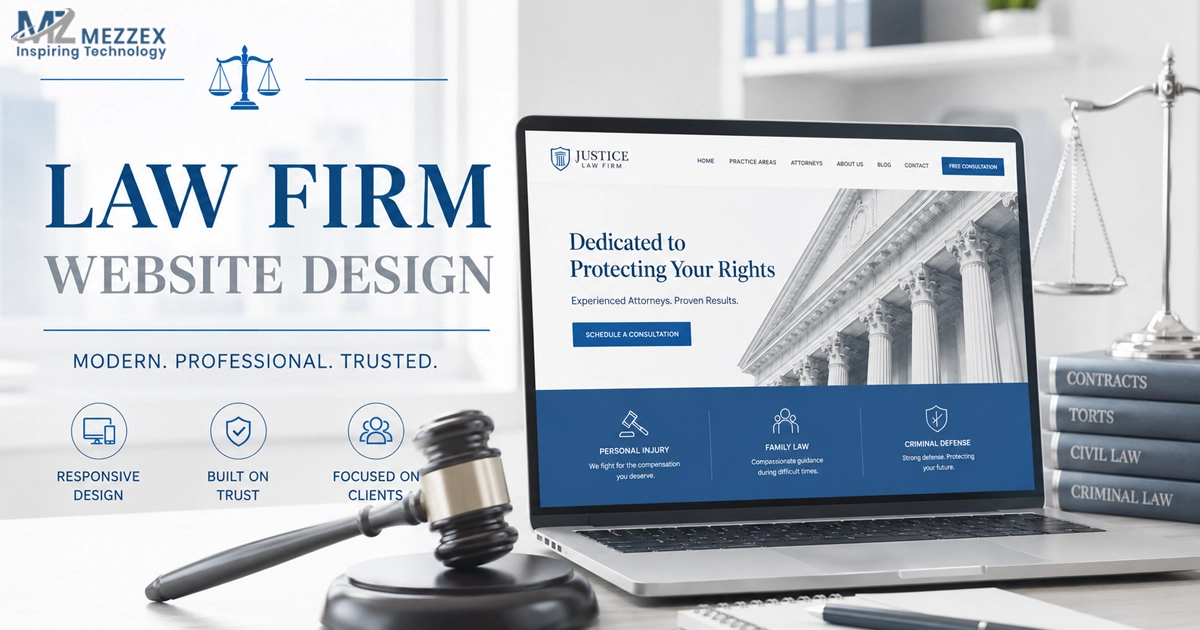
UK solicitors face a crowded market. Prospects bypass physical directories and turn directly to search engines to find legal representation. A law firm website design serves as the primary tool to capture this traffic and secure instructions. It guides visitors from initial research straight to a consultation booking. By investing in website development for law firms, practices turn basic information pages into active lead-generation systems. A well-structured digital presence answers client questions immediately and reduces the administrative workload on reception teams. This guide outlines how to build a platform that actually converts visitors into paying clients.
Why Strategic Law Firm Web Design Drives Client Acquisition
- A clean layout signals competence to users dealing with legal matters. Visitors link a functional digital experience directly to the quality of the legal representation they expect to receive.
- Bespoke design separates a practice from local competitors. Dropping generic stock images and establishing a specific brand identity builds familiarity before the client visits the office.
- High bounce rates waste marketing budgets and push prospects to rival firms. An intuitive layout keeps visitors reading and increases the probability of a formal inquiry.
- Strategic law firm web design maps the exact user journey from arrival to contact. Anticipating prospect questions through logical page hierarchies eliminates confusion and moves the user toward the contact form.
- Search engines reward sites that keep users active. A structured layout increases time on site, which boosts organic rankings and drives further traffic.
Core Features of a High-Converting Law Office Website Design
- Intuitive navigation helps users locate specific legal solutions without frustration. Implementing structured menus and alphabetical service listings prevents user drop-off and reduces exit rates.
- Intent-driven landing pages target exact practice areas. Creating dedicated pages for family law or commercial litigation directly answers the specific questions of prospective clients.
- Consistent branding builds market recognition across all digital touchpoints. Using strong typography and defined colour palettes establishes a professional law office website design that reassures clients.
- Prominent contact options remove friction from the initial inquiry process. Placing sticky phone numbers in the header ensures users find contact methods without scrolling.
- Accessible resources provide immediate value to visitors. Integrating downloadable guides and fee calculators demonstrates transparency and establishes the firm as a helpful authority.
Prioritising Mobile-First Website Development for Law Firms
- Mobile devices generate the majority of personal legal searches in the UK today. A law firm captures this mobile traffic to maintain a steady instruction pipeline.
- Responsive frameworks form the core of website development for law firms. Developers ensure text blocks, contact forms, and menu structures adapt to smaller smartphone screens.
- Mobile optimisation requires touch-friendly interface elements and generous spacing. Enlarging buttons and spacing out hyperlinks prevents accidental clicks and keeps users on the site.
- Sticky click-to-call buttons drive immediate inquiries from mobile users. Placing these buttons permanently at the bottom of smartphone screens allows users to initiate contact instantly.
- Streamlined mobile forms reduce submission abandonment rates. Minimising form fields to ask only for essential contact details increases the volume of generated leads.
Building Authority Through Solicitor Profiles and Social Proof
- High-quality portraiture and video introductions humanise the legal team. These visual elements build personal rapport and alleviate anxiety for clients before they book a consultation.
- Detailed team biographies highlight specific legal expertise and track records. Listing professional qualifications and industry memberships justifies fee structures and builds immediate authority.
- Anonymised case studies demonstrate capability better than standard marketing copy. Breaking down past legal challenges and successful outcomes proves competence tangibly.
- Verified testimonials act as external social proof for undecided visitors. Placing client reviews directly on relevant service pages validates the firm's claims of expertise.
- Industry accreditations build immediate trust and confirm professional standing. Displaying Legal 500 or Chambers and Partners digital badges confirms the firm operates at the highest standards.
Optimising for Local UK Search and Legal SEO
- Site architecture targets both broad legal terms and hyper-local searches. Structuring pages to capture phrases like "employment solicitor in Birmingham" provides a high return on investment.
- A well-maintained insights section satisfies search engine algorithms. Publishing thought leadership articles proves the firm stays current with changing UK legislation.
- Local SEO integration anchors the firm to its specific geographic area. Embedding Google Business Profile data and accurate contact details across the site boosts local map visibility.
- Keyword mapping prevents internal page competition and search confusion. Assigning specific search terms to distinct pages ensures search engines understand exactly which page to rank.
- Schema markup translates site content into code that search engines read easily. This technical implementation generates rich snippets in search results and pulls traffic away from competitors.
Turning Traffic into Instructions: Conversion Rate Strategies
- Strategic call-to-actions guide users directly towards making an inquiry. Designing distinct buttons that read "Book a Consultation" tells the user exactly what step to take next.
- Expandable forms placed within advice articles capture leads natively. These low-friction contact methods allow users to reach out the exact moment they find the information they need.
- User journey mapping dictates the logical flow of information. Developers structure the site to guide visitors from high-level homepage summaries down to action-oriented contact pages.
- Exit-intent popups capture users right before they leave the site. Offering a free legal checklist in exchange for an email address recovers potentially lost leads.
- Analytics integration tracks the performance of all conversion elements. Monitoring click rates on specific forms allows marketers to refine layouts and increase the total instruction volume.
Technical Security, Speed, and Compliance
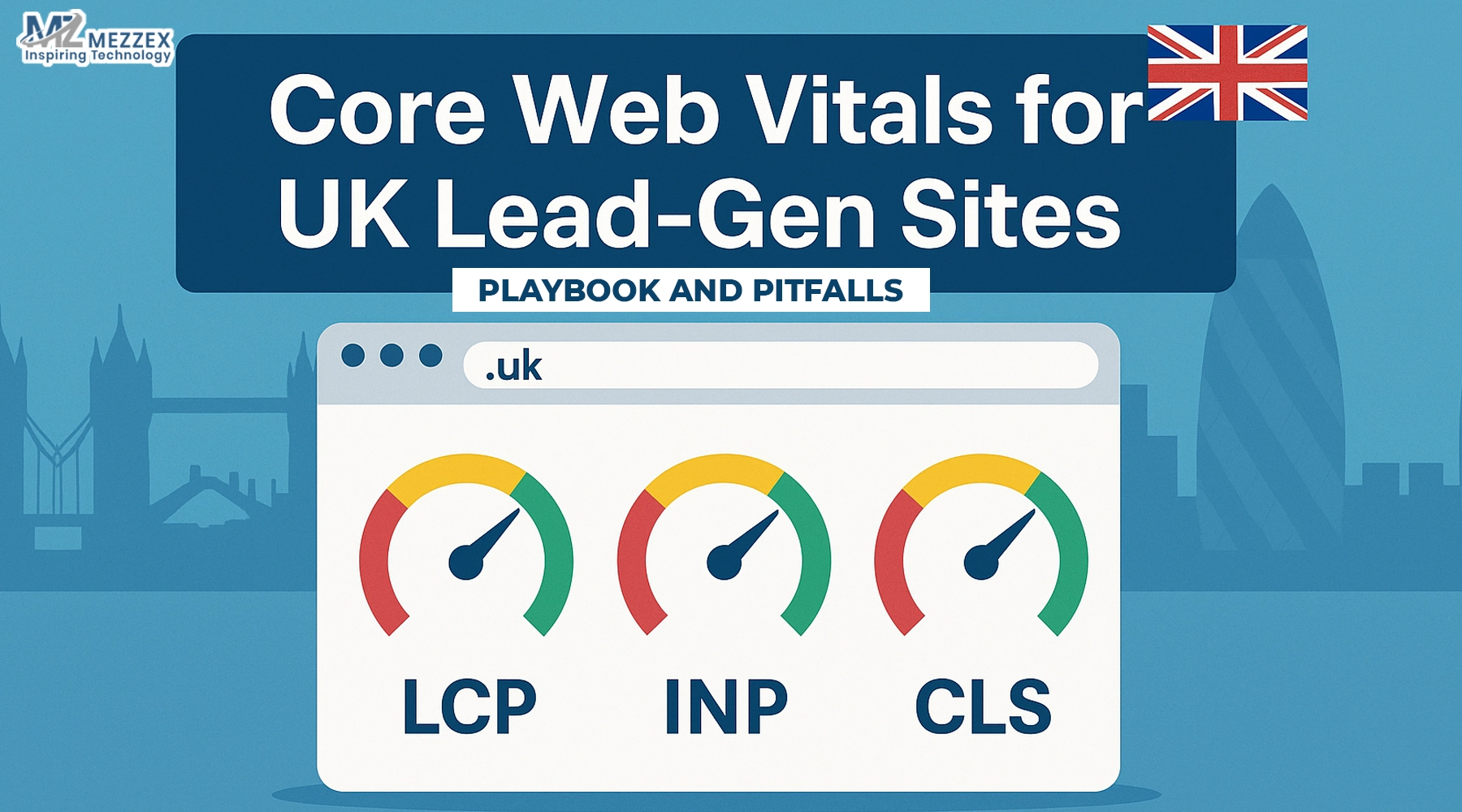
- Search engines and users penalise slow-loading websites heavily. Writing clean code and compressing multimedia files ensures the platform loads instantly to retain visitors.
- UK legal websites adhere to strict Solicitors Regulation Authority rules. Displaying the required digital badges and compliance information clearly builds regulatory trust and prevents penalties.
- Web Content Accessibility Guidelines dictate inclusive design standards for digital platforms. Implementing high-contrast text and screen-reader compatibility ensures all users have access to legal information without barriers.
- Data security protects sensitive client inquiry information from external threats. Installing SSL certificates and utilising secure hosting environments safeguards personal details.
- Regular technical maintenance prevents platform degradation and security vulnerabilities. Performing systematic software updates and security patches protects the firm from cyber attacks.
Partnering with Experts in Lawyer Website Design
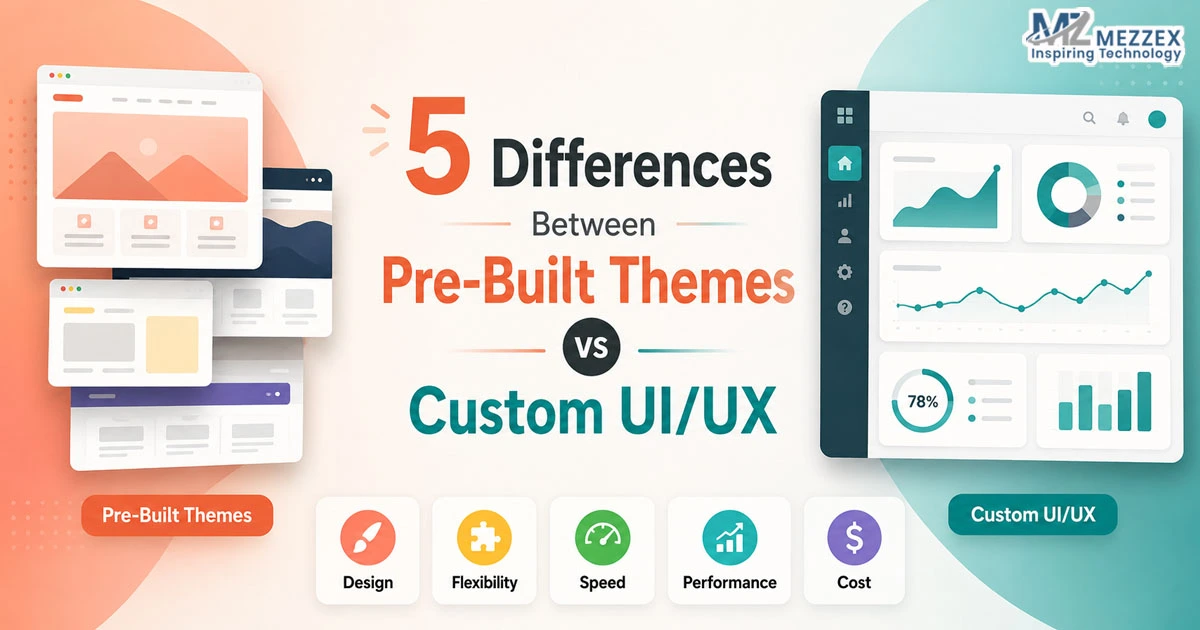
- Combining technical performance with structural layout requires specialist knowledge. Generic templates fail to provide the custom functionality necessary for modern legal marketing, making professional lawyer website design essential.
- Dedicated web development agencies understand the specific needs of the legal sector. They build platforms that handle complex service hierarchies and integrate with legal case management software.
- Professional design scales with the growth of the practice. Developers write robust code that accommodates new service pages and additional team members easily.
- Outsourcing digital infrastructure allows solicitors to focus entirely on casework. Development teams handle server maintenance, security monitoring, and uptime reliability continuously.
- A strategic digital partnership provides ongoing performance improvements. Agencies analyse user behaviour data and implement structural changes to increase the firm's conversion rate.
Book Your Law Firm Website Consultation
An updated online presence supports practice growth and secures high-value instructions. Robust digital infrastructure keeps operations competitive and accessible to clients across the UK. Custom platforms combine clear navigation, technical security, and responsive architecture to capture traffic efficiently. Working with a dedicated web development company delivers the technical skills required to build scalable, lead-generating solutions. Explore custom design and CMS solutions tailored to legal sector requirements. Contact Mezzex to discuss project specifications.